Try it

Your work doesn’t speak for itself anymore.

Prove what’s yours.

AI can do the work. It can’t make the calls only you would make. Quadron helps you keep those calls as you work, privately, so you can show them when it counts.

For people who think for a living Free to start Private by default

This is Future You. Tap a reply to try it.

Everyone knows the bridge. Almost no one has seen the drawings.

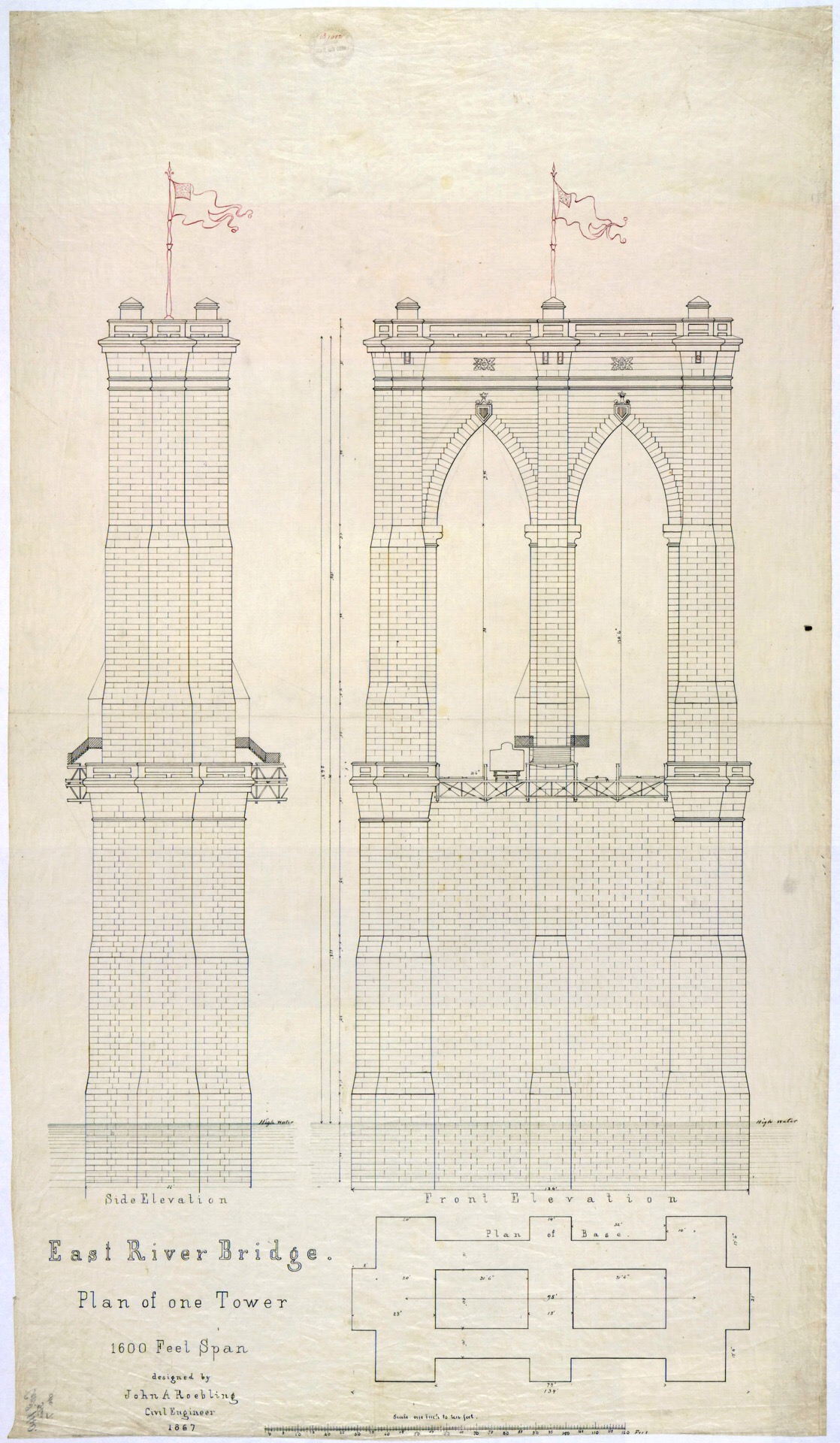
In 1967, a New York City engineer went looking for a repair drawing in a carpentry shop under the Williamsburg Bridge. He found some 10,000 of the original Brooklyn Bridge plans, drawn by hand. At one point they’d been ordered destroyed to save space.

That was the thinking behind one of the most famous things ever built, and it was nearly thrown out.

Yours is sitting in old AI chats.

  • Anyone can say anything on a resume.
  • Your best thinking is stuck in your chats.
  • What you know should stay yours.

Everyone works alone with AI now. You pay for the tools, and your best thinking gets left behind in them. What you know is what sets you apart. It’s worth keeping, and it’s worth protecting.

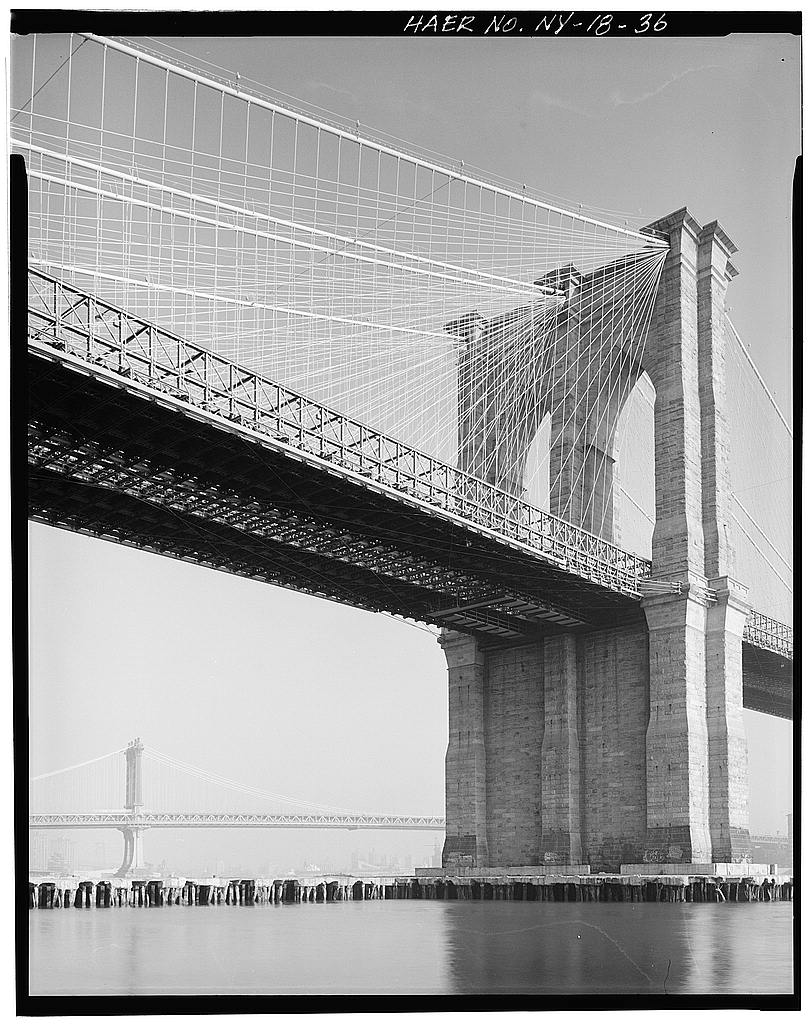
The Brooklyn Bridge’s Manhattan tower and cables over the East River, photographed in 1982
John A. Roebling’s hand-drawn 1867 plan of one tower of the East River Bridge
THE THINKING, 1867THE RESULT
Left: John A. Roebling, plan of one tower, 1867. National Archives. Right: Jet Lowe, Historic American Engineering Record, 1982. Library of Congress.

Works where you work.

Quadron works in the tools you already use. Every call you keep ends up in one record that’s yours, and your AI can use it when you need it.

Your judgment is the most valuable thing you have.

Quadron catches it while you work, in your own words.

Here’s what that looks like. Maya runs product. Project Atlas is her team’s big launch, and it’s in trouble.

Tuesday morning

Maya texts Future You.

Future You is the part of Quadron you talk to. You tell it what you’re working on, the same way you’d text a friend. You don’t have to log anything or fill anything out.

Leadership wants Project Atlas live by Nov 1. It’s already slipped twice and testing isn’t done. We’re not going to make it. How do I tell them?
A minute later

It helps first. Then it points out the call she just made.

She gets a draft she can send. Then it reads back what she decided, in her words, and asks if that’s right. It only keeps what she says to keep.

Leadership wants Project Atlas live by Nov 1. It’s already slipped twice and testing isn’t done. We’re not going to make it. How do I tell them?
Here’s a draft you can send:
“Project Atlas has slipped twice and testing isn’t done. I don’t think we’ll make Nov 1. I’d start with a small group of customers and roll out to everyone in January.”
Sounds like your call is: “We’re not launching Project Atlas to everyone on Nov 1.” Right?
Yes, that’s itNot quite
Same day

She keeps it. Nobody else can see it.

Only what you say Keep goes in your record. Nothing goes public until you publish it, and then only a summary.

Your record🔒︎ Private
From iMessage

We’re not launching Project Atlas to everyone on Nov 1.

Kept
Three weeks later

She makes the big call in Slack. It catches that too.

Connect the tools you already use and it finds the calls you make there. Only you see the prompt. Over time, Quadron starts to notice how you decide.

##atlas-launchSlack
ME
Maya Ellison 10:12 AM

Decision: Project Atlas goes to 20 customers first. Everyone else gets it in January.

Only you can see this

Future You: Want to keep this call? “Project Atlas goes to 20 customers first, not everyone.”

Kept
Quadron noticed

You go by what’s actually happened, not what’s been promised.

Review season

Her boss asks, “So what did you actually do this year?”

Most people have a one-liner and a good memory. Maya picks what to show. She chooses who sees it and every item on it. The private details stay private.

What most people bring

“Led the Project Atlas launch.”

ME
Maya EllisonHead of Product
What Maya chose to show · 2 things · she picked each one
JOURNEY Why we launched Project Atlas in stages

It had slipped twice and testing wasn’t done. Here’s why we started with 20 customers instead of everyone.

Planning a product launch
About half done · not tested yet

Maya and Project Atlas are made up, to show how it works.

Try it on your work

For anyone whose thinking is the work.

Sooner or later, someone asks.

Tell me about a time you pushed back on AI.

Students. Give an interviewer something to ask about.

Knowing when AI got it wrong is a brand new skill. Show you have it, with more than the group’s final presentation.

So what did you actually do this year?

Professionals. Bring evidence to your next review.

Your best calls happen in the middle of the work. Keep them, so the conversation starts with what you actually did.

Can you help with something like this?

Freelancers. Show a client why you.

Have a relevant example ready when a prospect asks: the decision that made the difference, not just the deliverable.

How do I know you’re really that good?

Experts. Show your expertise without giving it away.

Your methods are worth keeping secret. Show what they get you, not how they work.

Why did you do it that way?

Founders. Show investors how you decide.

When they ask why, your reasoning is already there, in your own words.

Private by default.
Free to start.

  • Nothing goes in your record unless you say Keep.
  • What you know stays yours. You choose how much anyone sees, one step at a time.
  • You’ll never pay extra for privacy.

Example Here’s how that works with Maya’s call on Project Atlas.

What Maya keeps · only she can see it

We’re not launching Project Atlas to everyone on Nov 1.

Starting with 20 customers, then everyone in January.

The call, in her own words, with the work behind it.

What other people see · only if she publishes it

Why we launched Project Atlas in stages. It had slipped twice and testing wasn’t done. Here’s why we started with 20 customers instead of everyone.

A summary of what she contributed. She decides on each one.

What Future You tells you before you send anything

Good questions.

What is Quadron?

Quadron helps you build a reputation based on how you actually think. It keeps a private record of the calls you make at work, so you can prove what you know and show how you did it, on your terms.

What is Future You?

The part of Quadron you talk to. It helps with your work, points out the calls you make, and keeps only what you choose. It’s working for the person you’re becoming.

Isn’t this just another AI chatbot?

Chatbots give you answers. Future You helps too, but its job is to show you your own thinking and keep it in a record you own.

Is this more work?

No. You text Future You what you’re already working on. It helps first, and nothing goes in your record unless you say Keep.

Will my client’s information stay private?

Yes. Everything starts private, and nothing gets shared unless you choose. Leave out client names and details: what matters is the call you made. Nothing goes public until you publish it, and then only summaries of what you contributed.

What will other people see?

Only the summaries you choose to publish. You decide on each one, and the work behind it stays private.

Can my school or employer see any of this?

No. Nothing you keep is shared with your school, your employer or anyone else unless you choose to share it. Check your course or workplace AI policy for how you’re allowed to use AI tools in your work.

What does it cost?

It’s free to start, and you’ll never pay extra for privacy.

Your work is your resume now.
Make sure it shows how you think.

Start with something you’re already working on.

Try it on your work
Try it on your work →